Best Portable Power Station for CPAP

Overnight backup sizing for camping, RV trips, and short power outages, based on usable watt-hours instead of headline battery capacity.

Disclosure: As an Amazon Associate, we earn from qualifying purchases. This guide is not medical advice; verify power requirements with your CPAP manufacturer.

Prices checked manually from Amazon on July 11, 2026.

Quick Answer

For one night, most CPAP users should start around 500Wh. For two nights without solar, a 1000Wh-class power station is the safer buy. If you use heated humidification, heated tubing, or need backup for a partner's devices too, move up to a 2000Wh-class unit.

Light CPAP load 30-40W

Mask pressure only, humidifier off or very low.

Typical humidified load 55-75W

Heated humidifier or heated tube enabled.

Planning target 2 nights

Enough reserve for cold weather and battery aging.

CPAP Runtime Calculator

Enter your CPAP's average watt draw. If you are unsure, use 40W with humidifier off or 65W with humidifier on.

Best CPAP Backup Picks

Model Usable planning Wh Runtime at 40W Runtime at 65W Best fit
Jackery Explorer 1000 v2 1014Wh measured AC output 20.3 hours with 20% reserve 12.5 hours with 20% reserve Car camping and one to two nights
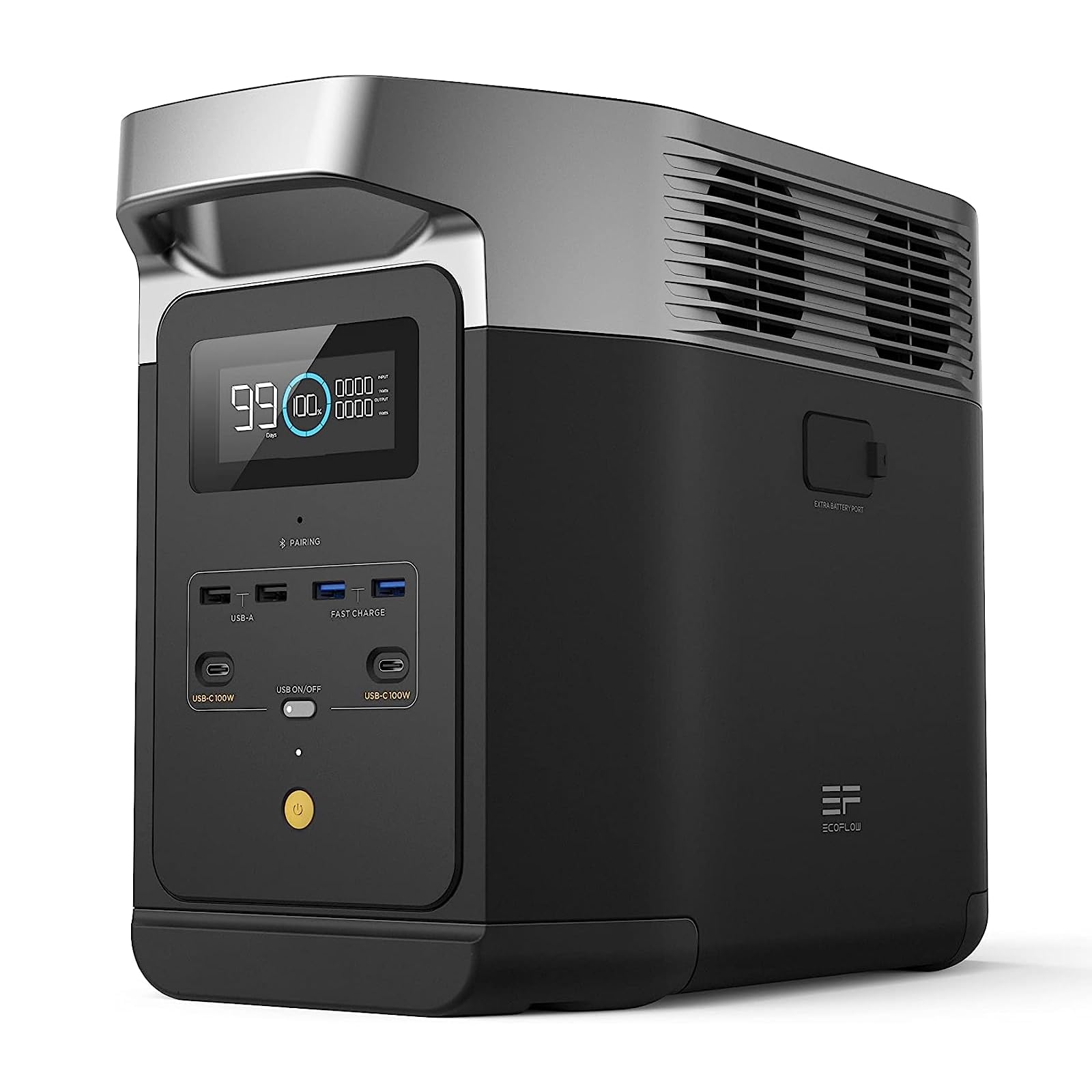
EcoFlow DELTA 2 978Wh measured AC output 19.6 hours with 20% reserve 12.0 hours with 20% reserve Frequent users who value fast recharge and LFP chemistry
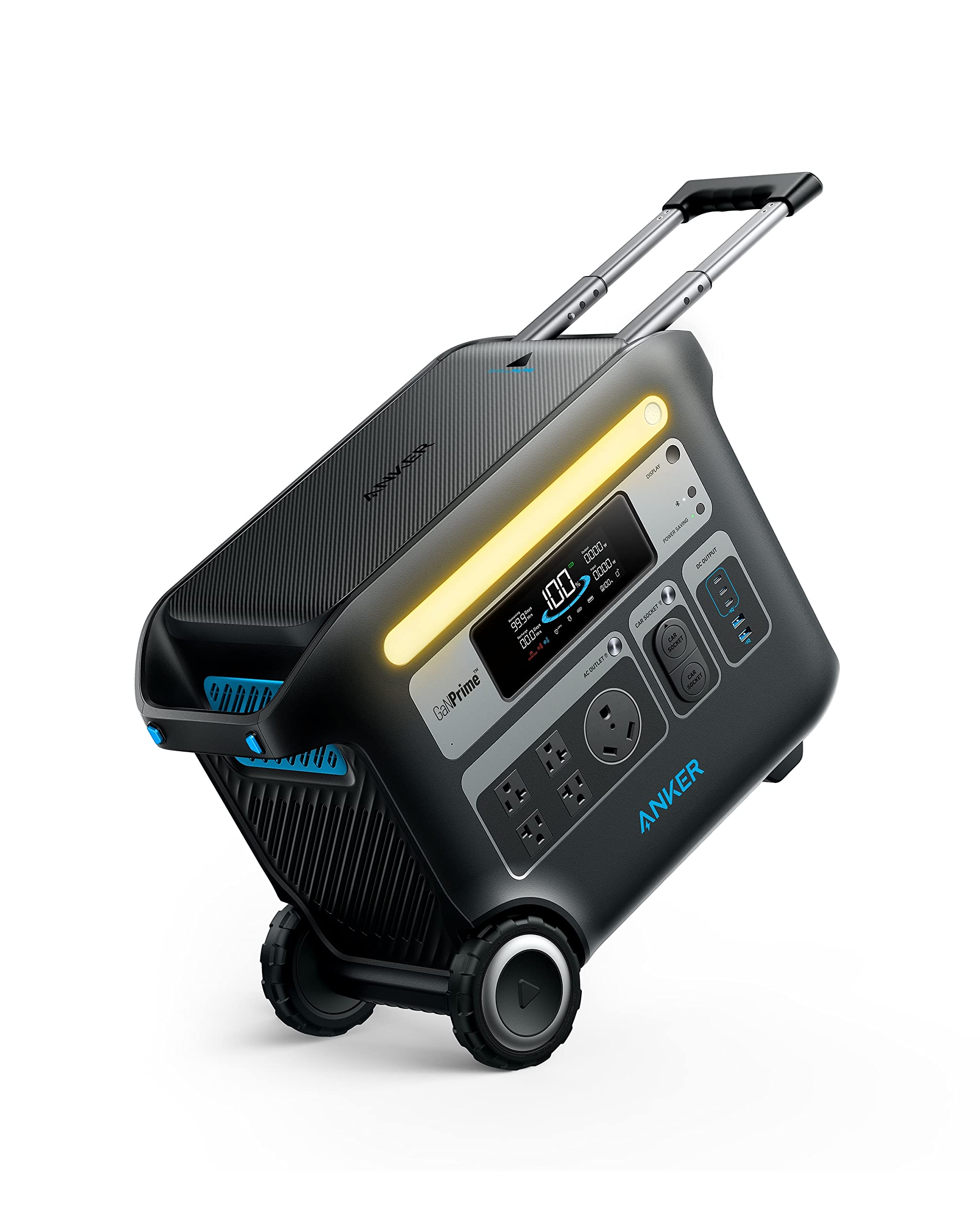
Anker 767 PowerHouse 1880Wh conservative planning estimate 37.6 hours with 20% reserve 23.1 hours with 20% reserve Multi-night outages, RVs, and multiple devices

Runtime varies with pressure setting, mask leak, humidifier level, ambient temperature, and whether the CPAP uses AC or a manufacturer-approved DC adapter.

Recommendations

Best Overall CPAP Pick
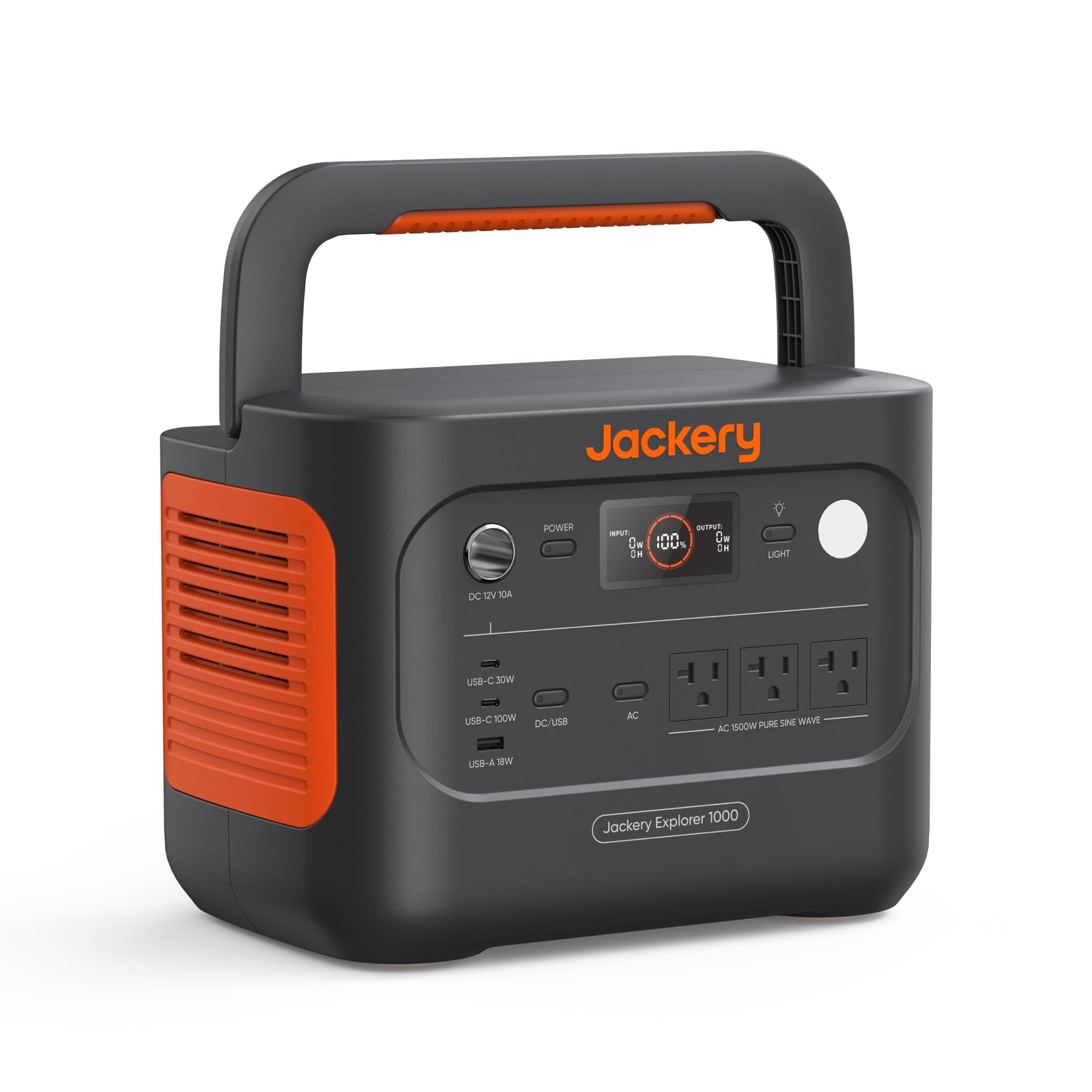
Jackery Explorer 1000 v2 portable power station

Jackery Explorer 1000 v2

$429.00

The Jackery is the easiest recommendation for CPAP camping because it balances usable capacity, portability, and pure sine wave AC output. Our 200W discharge test measured 1014Wh usable AC output, enough for a typical CPAP setup across a long overnight outage with margin.

  • Use it for: One to two nights, car camping, motel outage backup
  • Why it works: Pure sine wave AC, 23.8 lb weight, 1500W inverter
  • Watch out: Not the fastest solar option; use a DC adapter if your CPAP supports one
Check Price on Amazon ->

Commission: ~3% ($13 per sale)

Best for Frequent Cycling
EcoFlow DELTA 2 portable power station

EcoFlow DELTA 2

$429.00

The DELTA 2 is the better choice if you expect to recharge and reuse the station often. LFP chemistry, fast AC charging, and strong solar input make it a practical CPAP backup for RV trips and repeated weekend use.

  • Use it for: Regular camping, RV weekends, solar-supported trips
  • Why it works: LFP battery, 978Wh measured AC output, 80% charge in 50 minutes
  • Watch out: Fan behavior may be more noticeable in a quiet room than smaller battery packs
Check Price on Amazon ->

Commission: ~3% ($13 per sale)

Best for Multi-Night Backup
Anker 767 PowerHouse portable power station

Anker 767 PowerHouse

$999.99

The Anker 767 is overkill for a single CPAP night, but it makes sense for multi-night outages, RV backup, or running a CPAP plus phones, lights, router, or a small fridge. The main tradeoff is size and weight.

  • Use it for: Two to four nights, home outage backup, RV power
  • Why it works: 2048Wh battery class, 2400W output, expandable design
  • Watch out: Heavier and more expensive than a CPAP-only backup needs to be
Check Price on Amazon ->

Commission: ~3% ($30 per sale)

CPAP Buying Checklist

1. Confirm your CPAP watt draw

Look at your power brick for output volts and amps, or use a plug-in watt meter for one night. Humidifier and heated tubing settings are usually the biggest variable.

2. Prefer pure sine wave AC or the official DC adapter

Pure sine wave output is the safe default for sensitive electronics. A manufacturer-approved DC adapter can improve runtime because it avoids AC inverter losses.

3. Keep a reserve

Plan around 80% of usable capacity. Batteries lose efficiency in cold weather, fans draw extra power, and older packs hold less energy.

4. Do not rely on pass-through power unless documented

Some power stations support emergency power supply behavior, but switching time and battery management vary by model. Test your exact setup before relying on it overnight.

CPAP Power FAQ

Can a portable power station run a CPAP all night?

Yes, if the station has enough usable watt-hours for your CPAP draw. A 500Wh pack can be enough for one night with humidification reduced, while 1000Wh is a safer two-night class.

Will turning off the humidifier help?

Yes. The heated humidifier and heated tube can nearly double power draw. If runtime is the priority, lower those settings or turn them off if your therapy setup allows it.

Can I use solar panels for CPAP camping?

Yes, but size the battery to survive the night without solar. Treat solar as daytime recharge, not as the source that keeps the CPAP running overnight.